 Bedding
Tex Bedcover
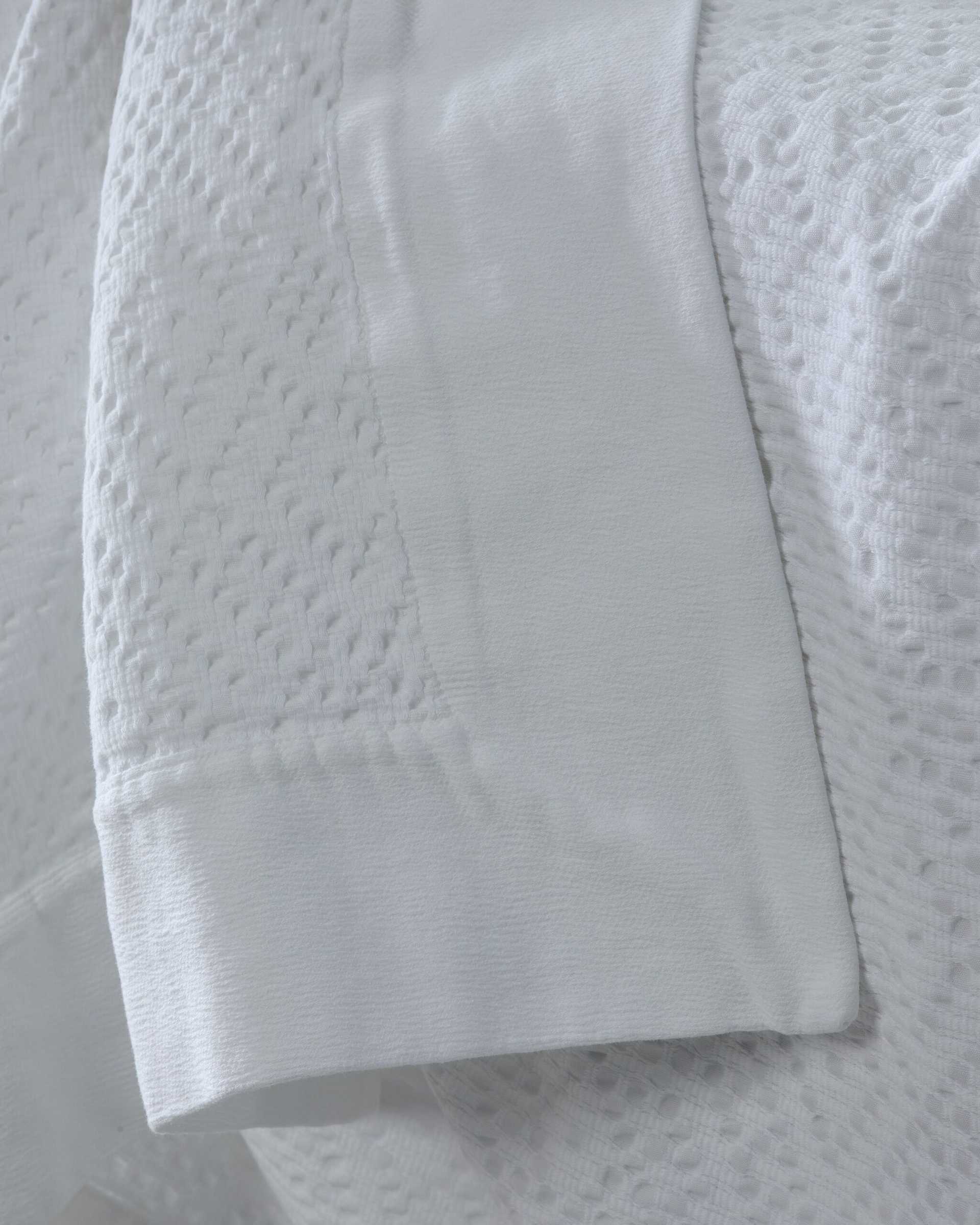
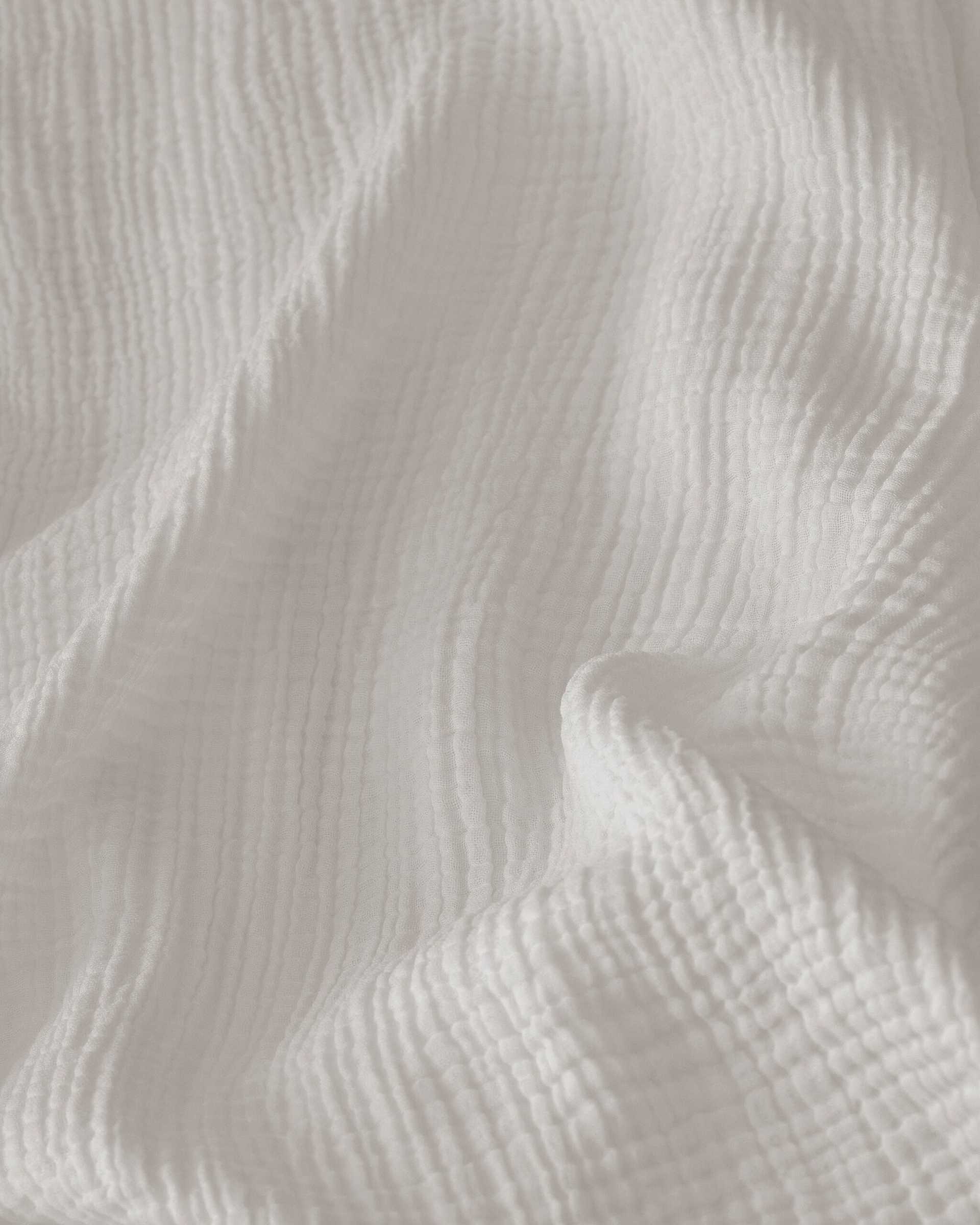
Feel the cool, breathable cotton on summer nights with a soft, textured weave and sturdy loom-woven border—easy to care for, comfy to sleep under, and stylishly tactile for everyday evenings.
Bed covers serve as protective and decorative layers that influence sleep comfort and room aesthetics. They are designed to shield bedding from dust, moisture, and wear while providing additional warmth or cooling as needed. In architectural terms, selecting the right bed cover can contribute to a cohesive bedroom color palette and tactile experience, aligning textures with surrounding fabrics and furniture.
Key features to consider include material composition, weave, thread count, and ease of care. For example, cotton blends often offer breathable comfort, while microfiber can provide wrinkle resistance. Understanding fabric properties helps determine longevity, washing requirements, and how the bed cover behaves with different climates and bedding setups.
Within the Tex Bedcover category, products are designed to balance practicality with aesthetics. The Tex Bedcover emphasizes durable stitching, fade resistance, and flexible sizing to accommodate various bed frames. Such features enhance daily usability, offering consistent drape, insulation, and a clean, tailored appearance on a range of mattress heights.
Another example, the Free New Bedcover, focuses on versatile functionality and ergonomic fit. It typically features reinforced edges, easy-care fabrics, and a design that complements both subdued and vibrant bedroom styles. Functional benefits include improved bed protection, simplified laundry routines, and maintained fabric integrity over time.
For users seeking comprehensive bedding considerations, it is helpful to relate bed covers to sheets, adjustable beds, and adjacent furniture. Properly chosen bed coverings contribute to climate regulation, ease of layering with blankets, and overall room harmony, making them a practical component of a well-coordinated bedroom environment.
Bedding
 Bedding