Why Linen Matters for Sleep
Linen has a storied history in bedding, prized for its breathability, moisture management, and naturally cool feel. Unlike some synthetic fibers, linen fibers wick away moisture efficiently, quickening evaporation and helping regulate temperature. This makes linen a compelling choice for warm climates or sleepers who experience night sweats. Linen’s structure—coarser than cotton at the fiber level—also contributes to a distinctive texture that softens with each wash while maintaining durability.
Beyond comfort, linen is renowned for its longevity. It can endure years of laundering with minimal pilling and a developing patina that many sleepers find desirable. The fiber’s natural lint resistance and environmental footprint—when sourced responsibly—align with a thoughtful, sustainable approach to home textiles.
Brand at a Glance: Libeco, Coyuchi, and Sferra
The three brands highlighted in this guide represent distinct philosophies and production paths, yet they share a commitment to natural fibers, careful weaving, and enduring design. Libeco is steeped in Belgian linen tradition, often emphasizing the character of European flax and time-honored weaving techniques. Coyuchi leans into California-based craftsmanship with a focus on organic and ethical sourcing, frequently highlighting sustainability alongside tactile softness. Sferra, an Italian legacy brand, combines luxury with a long history of linen expertise, yielding textiles that balance refined aesthetics with robust performance.
Fiber Origin and Weave: What to Look For
Origin matters for linen, not only for the story behind the fiber but also for the consistency of texture and performance across pieces. A linen sheet or cover with a clear origin label typically signals authenticity and adherence to quality standards. Weave structure—whether a simple percale-like weave or a looser, more relaxed manner typical of linen—determines the hand feel and drape. In linen bedding, a balance exists between a crisp, cool feel and a softer, more lived-in texture that develops with washing.
As you compare Libeco, Coyuchi, and Sferra, consider the following questions: Is the linen long-staple and of high tensile strength? What is the weave density, and how does it affect breathability and durability? How does the finish influence colorfastness and the ability to withstand repeated laundering?
Libeco: Belgian Linen, Craftsmanship, and Texture
Libeco stands as a paragon of Belgian linen, a region historically associated with flax cultivation and meticulous textile production. Libeco linen fabrics typically feature a natural, breathable structure with a graceful drape that remains balanced across a range of pillowcases, sheets, and bedcovers. The brand emphasizes the inherent character of Belgian linen—the slight irregularities, the soft yet resilient hand, and the way the fiber blooms with washing. This approach often yields textiles with a refined, understated aesthetic that pairs well with a broad spectrum of bedroom styles.
Care considerations for Libeco linen typically include cool or warm machine washing and air drying to preserve the fabric’s integrity and color. With linen’s natural strength, Libeco pieces can endure frequent laundering, improving with time rather than diminishing in performance. The result is a bedding option that ages gracefully, developing a patina unique to its owner’s laundering rhythm and environmental conditions.
Coyuchi: Organic Roots and Modern Sleep Cleanliness
Coyuchi has become synonymous with organic textile production and ethical sourcing, a narrative that resonates with eco-conscious sleepers. Coyuchi linen often reflects a commitment to natural processes, from fiber harvest to weaving and finishing. The tactile sensation of Coyuchi linen tends to be soft enough for immediate use, yet the fabric still reveals linen’s characteristic crispness and airiness. The brand’s emphasis on sustainability frequently extends to packaging, dye methods, and a transparent supply chain, which can appeal to readers who value environmental responsibility alongside luxury and comfort.
In practice, Coyuchi linen can offer a balance between smooth hand and textured interest. The presence of breathable fiber promotes a stable microclimate around the sleeper, contributing to cooler nights and a generally refreshing sleep experience. Color retention with Coyuchi often aligns with the brand’s organic ethos, prioritizing low-impact dyes that preserve the natural aesthetic of linen over prolonged use.
Sferra: Italian Luxury and Linen Sophistication
Sferra’s linen offerings sit at the intersection of luxury and durability. The Italian house brings a refined sensibility to textures, drape, and finish. Sferra linen can deliver a smoother hand and a more deliberate weave, which translates into a bedding experience that feels indulgent while remaining highly functional. This brand’s work often exemplifies how linen can marry crispness with a softness that emerges with washing, producing a versatile range that suits both formal and relaxed bedroom settings.
Care for Sferra linen typically mirrors the guidance for premium linens: gentle cycles, cooler temperatures, and mindful drying to preserve the fiber’s integrity and luster. The result is bedding that stands up to daily use without sacrificing the sense of occasion that many sleepers crave in a luxury home.
Practical Care Tips: Maximizing Longevity and Texture
To maximize the longevity and visual appeal of linen bedding, consider deliberate washing routines and mindful laundering. Wash linen in a gentle cycle with mild detergent, avoiding high heat that can break down fibers over time. Drying linen on a lower heat setting or line drying helps reduce shrinkage and preserves the fabric’s natural texture. Ironing while slightly damp can yield a smooth, crisp finish, though many lovers of linen prefer the relaxed, slightly wrinkled look that appears after air-drying—an aesthetic that signals lived-in authenticity.
Colorfastness is another practical concern. Linen tends to hold dyes well, but some fading can occur over repeated washes. If color is a focal point, select dyes known for linen stability and follow manufacturer recommendations for wash temperatures. For households with sensitive skin, verify that dyes and finishing treatments are free from irritants and that the linen’s finish aligns with any fabric-care preferences you may have.
Choosing the Right Linen for Your Sleep Climate
Climate plays a significant role in linen performance. In hot and humid environments, linen’s moisture-wicking and quick-drying characteristics shine, helping to maintain a comfortable body microclimate. In cooler seasons or drier climates, linen remains breathable, enabling air flow that prevents overheating when layering with pillows, blankets, and toppers. The weave density and fiber length influence the degree of warmth and the fabric’s tendency to crease. Some sleepers prefer a slightly tighter weave for a crisper feel, while others favor a looser weave that drapes more softly over the body.
Ultimately, the best linen bedding for you balances tactile satisfaction with practical performance. Libeco can provide a sense of heritage and structure, Coyuchi may offer a modern eco-conscious narrative with a softer hand, and Sferra can deliver elevated luxury with a refined finish. The choice comes down to how you value texture, environmental considerations, and how your sleep environment responds to a given fabric’s breathability and care needs.
A Quick At-a-Glance Comparison
- Origin and Craft: Libeco (Belgian heritage), Coyuchi (organic and ethical focus), Sferra (Italian luxury)
- Texture and Feel: Libeco—classic linen character; Coyuchi—softened organic hand; Sferra—polished luxury with a refined drape
- Care Philosophy: Gentle washing, mindful drying, attention to colorfastness; sustainable finishing varies by brand
- Ideal For: Sleepers seeking cool, breathable bedding with a story; eco-conscious households; luxury lovers seeking a premium linen experience
Conclusion: Linen as a Sleep Ally
The choice among Libeco, Coyuchi, and Sferra hinges on your priorities: heritage and texture, organic integrity, or luxury refinement. Linen bedding, when chosen with consideration of fiber origin, weave, and care, can elevate sleep into a daily ritual of comfort and calm. The enduring quality of linen—its ability to improve with washing, its natural breathability, and its robust fiber structure—positions it as a prudent long-term investment for a bedroom that values health, sustainability, and a sense of timeless design.
Product Spotlight: Free New Bedcover
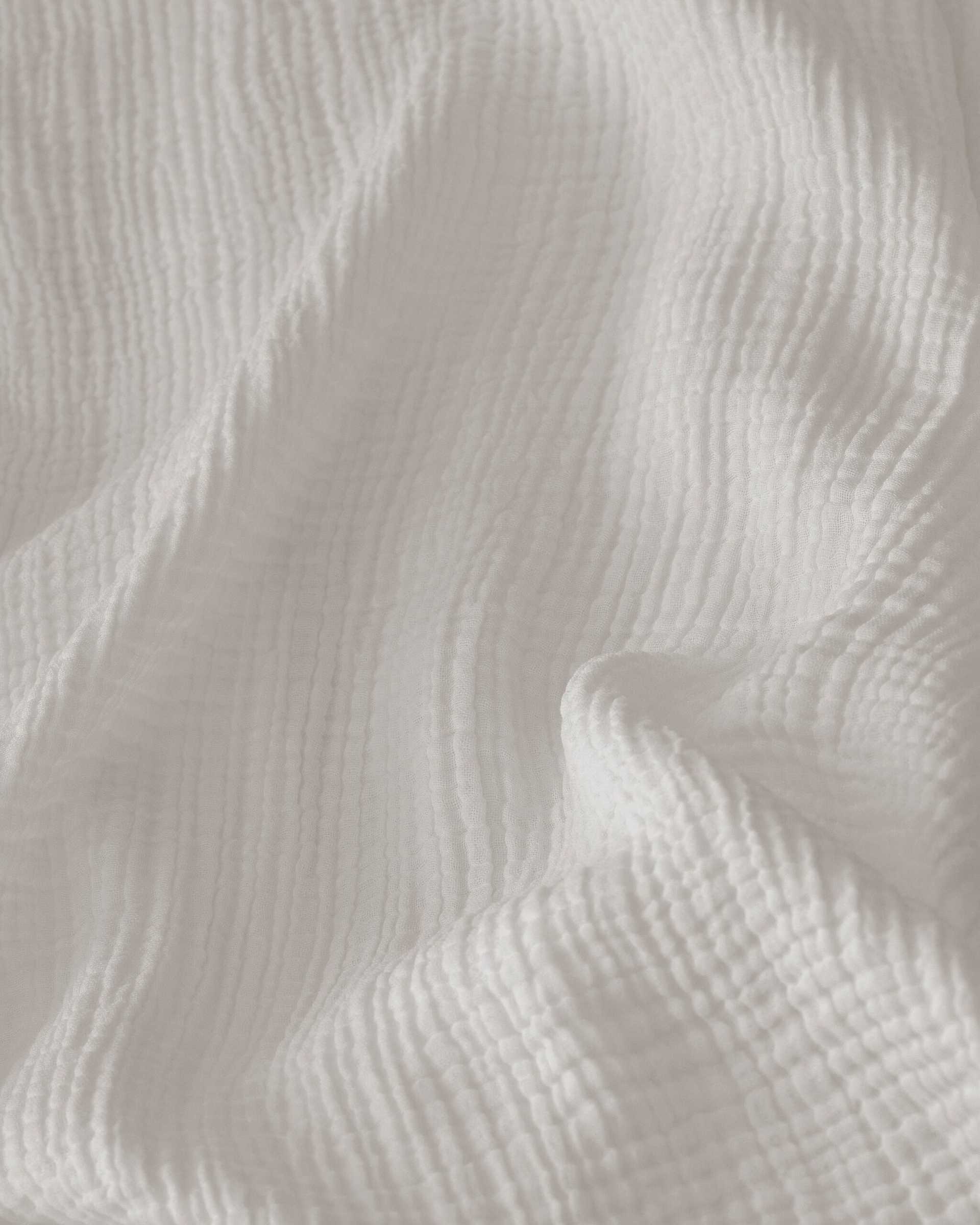
Among the bedding pieces that complement linen sleep environments, the Free New Bedcover from the current collection offers a delicate, four-layer cotton voile design that remains light and breathable. While not linen itself, it serves as a compatible layering option for warm seasons or for adding a soft contrast to a linen-driven bedscape. Its construction emphasizes a three-dimensional texture, contributing to a tactile and visually nuanced bed overview without sacrificing airflow.
If you’re building a linen-led sleep ensemble, consider this bedcover as a seasonal guard that preserves the linen’s natural coolness while providing a light, aesthetically complementary blanket in summer months.