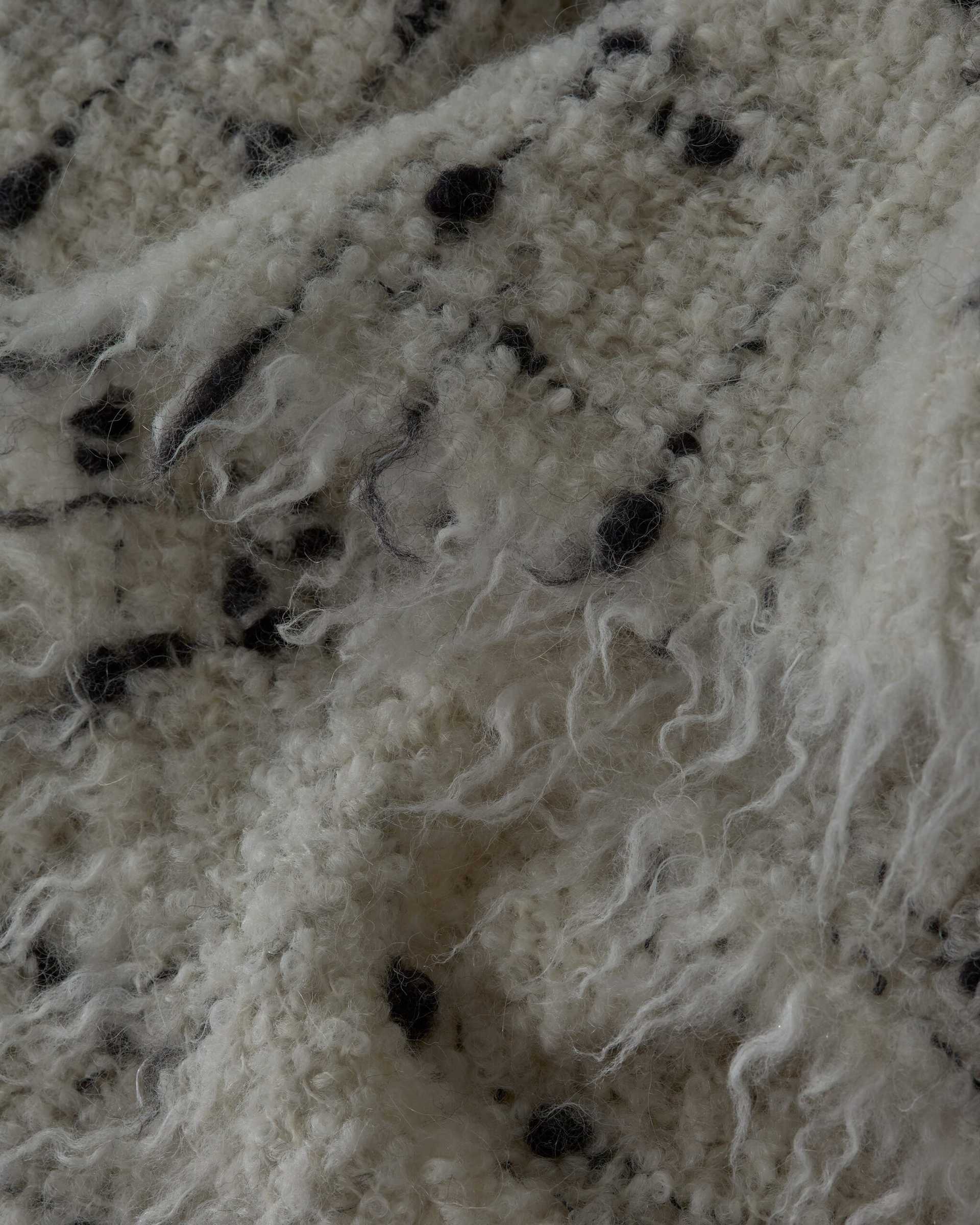
Bath Textiles
Choosing Bath Textiles: Absorbency, Drying Time, and Care
A towel’s job sounds simple: take up water, feel comfortable, and be ready again the next time it is needed. But the way a bath textile performs depends on more than softness. Fiber, weave, thickness, bathroom ventilation, and laundry habits all shape the daily experience.
The best choice is not necessarily the thickest towel or the one with the most elaborate label. It is the one whose absorbency, drying time, feel, and care requirements suit the rhythms of your home.
Start with the work the textile must do
Bath textiles cover a small but busy territory: towels dry skin and hair, hand towels handle frequent washing and drying throughout the day, and bath mats provide a soft landing after a shower or bath. Each item faces a different combination of water, friction, and repeated laundering. Choosing well begins by considering the job rather than treating every textile as interchangeable.
A bath towel should absorb moisture comfortably and remain manageable when damp. A hand towel may be used several times between laundry days, so it benefits from a fabric that can dry between uses. A bath mat needs enough absorbency to collect water from feet, but it also needs a construction that can be washed and dried appropriately. In each case, the room matters. A textile that performs well in a bright, ventilated bathroom may stay damp longer in a windowless room with limited airflow.
It helps to think in terms of a balance. More thickness can mean a plush, enveloping feel, but it can also mean longer drying time. A lighter towel may dry more quickly, but it might feel less substantial or require more than one pass to remove moisture. The choice is personal, though the physical trade-offs are practical and predictable.
Absorbency is about fiber and structure
Absorbency describes how readily a textile takes up water. It is influenced by the fibers themselves and by how those fibers are spun, looped, or woven. Cotton is widely used for towels because it can absorb moisture and is available in many weights and constructions. Yet “cotton” alone does not tell you exactly how a towel will feel or perform. The yarn, pile, density, finishing, and overall fabric design all contribute.
In a typical terry towel, loops rise from the base fabric to create a larger surface area. Those loops make contact with water and help hold it within the textile. Loop height and density affect the hand feel and the sense of plushness, but a lofty appearance is not a complete measure of quality. A towel that feels thick on a shelf may be heavy when wet, take up more storage space, and need more time on the drying rack.
Linen is another familiar textile choice. Its feel is often more textured and less cushioned than that of a plush cotton towel. Linen can be appealing to people who prefer a lighter, crisp hand and a fabric that does not feel bulky. The exact experience depends on the construction and finish. As with cotton, the fiber name is only one part of the story; the finished textile and its care instructions matter too.
Blended fabrics can combine characteristics from more than one fiber, but the blend should be assessed in context. A label may tell you the composition, while product details can clarify intended use and care. Avoid assuming that a particular fiber or blend automatically means “more absorbent,” “more durable,” or “better.” These are performance questions that depend on the complete fabric, not just a single ingredient.
One useful test is to ask how the textile works in your routine. Do you prefer to wrap up in a generous, substantial towel, or do you value something lighter that is easier to hang and store? Do you need a towel for drying hair, for travel, or for a frequently used family bathroom? The right answer can differ even among textiles used in the same home.
Drying time begins after the shower
Drying time is often overlooked when buying bath textiles. It becomes obvious only later, when a towel remains damp on a hook or a bath mat is still wet at the end of the day. Drying depends on several variables: fabric weight, construction, how much water the textile has absorbed, the space available around it, airflow, and the room’s humidity.
A thick, dense towel may feel luxurious, yet its mass can make it slower to dry than a lighter one. A towel folded over a narrow hook has less exposed surface than one spread across a rail. If several wet items crowd the same small area, air has fewer opportunities to move between them. In a humid bathroom, even a relatively light textile may take longer to dry than expected.
These details have everyday consequences. A damp towel can feel unpleasant to use, and repeatedly storing textiles before they have dried can contribute to stale odors. This does not mean every bathroom needs specialized equipment. Often, simply giving towels room to hang fully open and improving ordinary airflow can make a noticeable practical difference.
Consider where each item will live before buying it. A wide towel rail supports a different routine from a single hook. A household with several people using one bathroom may need more hanging space or a rotation of towels. A bath mat that stays on a poorly ventilated floor may need more frequent attention than one that can be hung to dry after use. The textile and its surroundings work as a system.
Quick-drying fabrics can be useful where space or ventilation is limited, but “quick-drying” should not be treated as an absolute promise. The conditions of use still matter, and marketing language may not describe how a product will behave in every home. Look for clear specifications, follow the care guidance, and pay attention to how the textile performs after a few ordinary uses.
A bath mat has a different brief
Bath mats are often chosen for cushioning and appearance, but their role is also functional. They sit where water is most likely to collect and where traction underfoot matters. A mat should suit the floor, the bathroom’s use, and the household’s ability to wash and dry it. A particularly plush design may feel comfortable, yet it can take longer to dry and may be more demanding to care for.
Check the product’s construction and cleaning instructions before purchase. Some mats are designed for machine washing; others may have backing or details that require specific handling. Follow the manufacturer’s directions rather than assuming that every mat can tolerate the same wash or dryer settings. If a mat has a backing, inspect its condition over time and discontinue use if it becomes damaged or no longer sits securely.
Placement matters as much as material. A mat should lie flat and suit the size of the area where it will be used. After a shower, it should be able to dry rather than remain bunched or folded. A mat that is easy to lift, launder, and return to the floor is more likely to fit into a consistent cleaning routine.
Read the label before choosing a washing routine
Care instructions are not fine print to be discovered after the first wash. They are part of the product’s performance. Washing temperature, detergent, drying method, and whether the textile can be ironed or bleached all affect how it should be maintained. A towel that requires special handling may be a poor match for someone who wants a straightforward, frequent laundry routine.
As a general approach, wash bath textiles according to their labels and avoid overloading the machine. Items need room to move through the wash and rinse effectively. Using more detergent than recommended does not necessarily make fabric cleaner; residue can remain in textiles and may affect their feel. If towels seem less absorbent or feel coated, review the amount of detergent and the washing process before assuming the fabric has permanently failed.
Separate heavily soiled items from everyday towels when needed, and pay attention to color instructions, especially with new textiles. Washing similar colors together can help limit unwanted transfer. Follow any directions about fabric softener, since finishes and softeners can influence the surface feel and how a textile interacts with water. There is no single routine that suits every fiber and finish; the care label is the most reliable starting point.
Drying deserves the same care. Air-drying can reduce exposure to high heat, but textiles need adequate space and airflow. If a dryer is permitted, use the recommended setting and avoid excessive heat. Remove items when dry rather than leaving them compressed in the machine. For bath mats, pay particular attention to instructions for backing, trims, or other components that may respond differently from the main fabric.
Regular laundering is important in a high-use room, but frequency should reflect use, the item’s condition, and household needs. A towel that stays damp, develops an odor, or is visibly soiled should be washed rather than returned to use. Between washes, spread textiles out to dry. That small habit helps keep them more pleasant and makes their condition easier to assess.
Durability shows up in the details
Durability is not determined by thickness alone. Look at the overall construction: whether seams are even and secure, edges are finished neatly, loops appear consistent, and the textile feels balanced rather than fragile. For a bath mat, examine how its backing and edges are made. For towels, consider whether the hanging loop is securely attached and whether the fabric’s weight is manageable for your routine.
Frequent washing places ongoing stress on fibers and seams. A textile that suits the household’s laundry habits is more likely to remain in rotation. If an item needs delicate handling but will be used several times each day, that mismatch can be frustrating. Conversely, a carefully made textile with clear, manageable care instructions can offer a useful balance between comfort and longevity.
Color and finish are practical considerations, too. A shade that works with the bathroom may help a set feel cohesive, but it is worth checking care guidance for colored fabrics. If buying multiple towels, consider whether replacements will be easy to match later. A coordinated bathroom does not require every textile to be identical; related tones and textures can create a considered look without making replacement complicated.
Before discarding a towel that feels rough, consider whether detergent buildup, washing conditions, or excessive heat may be affecting it. Textiles inevitably wear with use, but a well-matched care routine can help preserve their feel. At the same time, no fabric stays new indefinitely. Fraying, thinning areas, damaged seams, or a mat that no longer lies flat are useful signs that an item may have reached the end of its practical life.
A simple comparison before you buy
When product descriptions make every option sound soft, absorbent, and durable, it helps to compare a few concrete factors. The following questions can make the choice more useful than relying on a single headline claim.
- Fiber and construction: What is the textile made from, and is it terry, woven, or another construction?
- Weight and feel: Does the description suggest a lightweight, medium, or plush item, and is that the feel you want?
- Drying conditions: Will it have room to hang open in a ventilated area?
- Care requirements: Can it be washed and dried in a way that fits your regular routine?
- Intended use: Is it designed as a bath towel, hand towel, bath mat, or a different household textile?
- Practical details: Are dimensions, finishing, and any special instructions clearly stated?
Be cautious about treating thread count or a single weight figure as a universal quality score. Such numbers can be useful when clearly defined, but they do not tell the whole story. For towels, loop design and overall construction matter; for bath mats, backing, stability, and care can be central. Compare like with like whenever possible.
Build a routine around the room you have
The most effective care plan is not elaborate. It is consistent. Hang towels so that air can reach more of the fabric. Let bath mats dry between uses when possible. Keep enough clean textiles in rotation that no one has to reuse an item that is still wet. Wash and dry according to the label, and store clean pieces only when fully dry.
In a small bathroom, a lighter textile may be easier to manage than an oversized, heavy one. In a well-ventilated room with ample rail space, a thicker towel may be a comfortable choice. Households with frequent laundry may prioritize durability and simple care, while occasional-use guest towels can be selected for a different balance of appearance and feel.
There is no need to make every textile in the bathroom match in weight or material. A household can use a plush bath towel, a lighter hand towel that dries quickly, and a mat chosen for easy laundering. The useful principle is to select each item for the conditions it will face rather than buying a set solely because it looks unified.
The best towel is the one that works tomorrow
Bath textiles are judged in repeated moments: the first touch after a shower, the feel of a dry towel at the end of the day, the ease of fitting a mat into the laundry, and the confidence that a damp item will not remain clammy on its hook. Absorbency matters, but it is only one measure. Drying time, construction, comfort, and care have equal claims on the decision.
Choose according to your bathroom’s ventilation, available hanging space, preferred texture, and willingness to follow particular care instructions. Seek clear information about fiber content and construction, and regard broad performance promises as a starting point rather than a substitute for practical details. Then give the textile the care it requires: wash it as directed, allow it to dry fully, and notice how it performs in your actual routine.
A good bath textile does not need to be complicated. It needs to take up moisture comfortably, dry in the conditions you can provide, and withstand the care your household can sustain. When those needs align, everyday essentials become quieter, more dependable parts of a well-run home.