Foam mattresses use resilient foam layers to support the body and adapt to pressure points during sleep. Their construction can help distribute weight and reduce the transfer of movement across the sleep surface. Understanding foam density, firmness, and layer design can help explain how different mattresses feel and function.
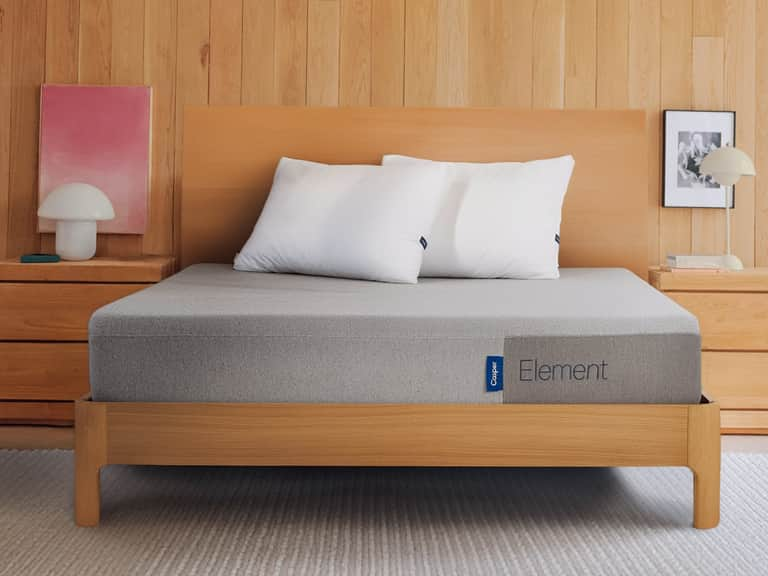
The Element Mattress is a foam mattress category offering designed for everyday sleep and foundational bedroom comfort. Foam layers can provide a stable, contouring surface, while the mattress’s overall feel depends on its materials and construction. These characteristics may be relevant to sleepers comparing support, pressure relief, and motion isolation.
When evaluating a foam mattress, consider firmness preference, sleeping position, body support, and temperature comfort. Side sleepers may prioritize cushioning around the shoulders and hips, while back and stomach sleepers often consider how well a surface maintains an even posture. Mattress dimensions and compatible foundations also affect practical use.
Foam mattresses are one option among broader bedding materials, including latex and organic mattresses. Latex is known for a buoyant response, while foam generally conforms more closely to pressure. Comparing these material characteristics helps clarify how a mattress may pair with pillows, sheets, and other bedding for a comfortable sleep setup.
Care and compatibility are important parts of mattress use. A suitable bed frame or foundation can provide consistent support, and breathable sheets may influence the feel of the sleep surface. Following product-specific guidance for rotation, cleaning, and ventilation helps maintain the mattress and supports a more comfortable, hygienic bedroom environment.
 Mattresses