Mattresses provide the supportive sleeping surface at the center of a bedding setup, helping accommodate different comfort preferences and sleep positions. Construction, materials, and surface design influence how a mattress feels and performs. Understanding these characteristics can help people compare options alongside pillows and sheets for a more suitable and comfortable sleep environment.
Organic mattresses and natural-material designs are often considered by people seeking alternatives to conventional mattress components. Latex is valued for its resilient feel and ability to respond to pressure, while mattress quilting can add a cushioned surface. Material composition and construction vary, so product details are important when assessing comfort, support, and care requirements.
The Royal-Pedic Premier Natural Latex Quilt-top Mattress combines a natural latex core with a quilted top. Latex offers buoyant, responsive support, while the quilt-top surface provides an additional layer of cushioning. This design may appeal to sleepers who want a gently padded feel without losing the resilient support associated with latex mattresses.
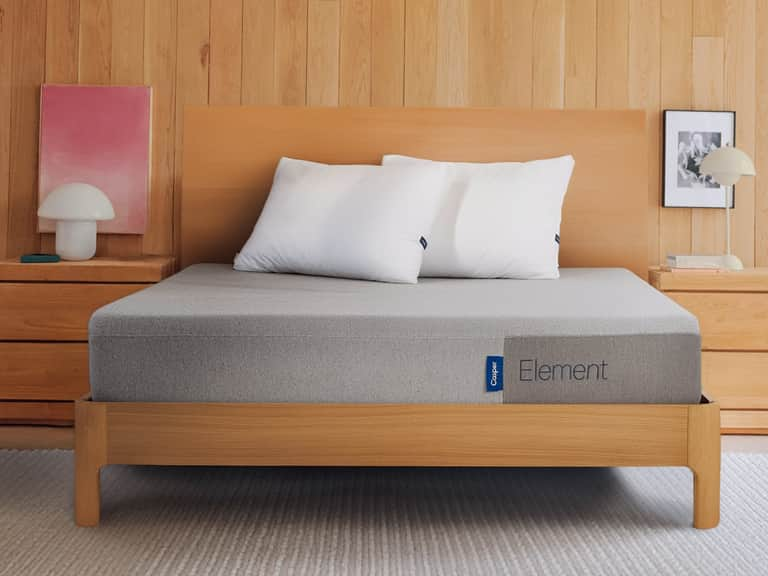
The Element Mattress is another option within the mattress category, with its suitability depending on individual comfort needs and the product’s specific construction. Mattress features such as firmness, support layers, and surface materials can affect pressure distribution and sleeping posture. Reviewing these details helps clarify how an Element Mattress may fit into a bedding arrangement.
Mattress selection is best understood in relation to body comfort, preferred firmness, and the other bedding in use. Pillows influence head and neck positioning, while sheets affect the feel of the sleep surface. Considering these elements together, along with mattress materials such as latex, supports an informed approach to everyday sleep comfort.
 Mattresses